Introduction
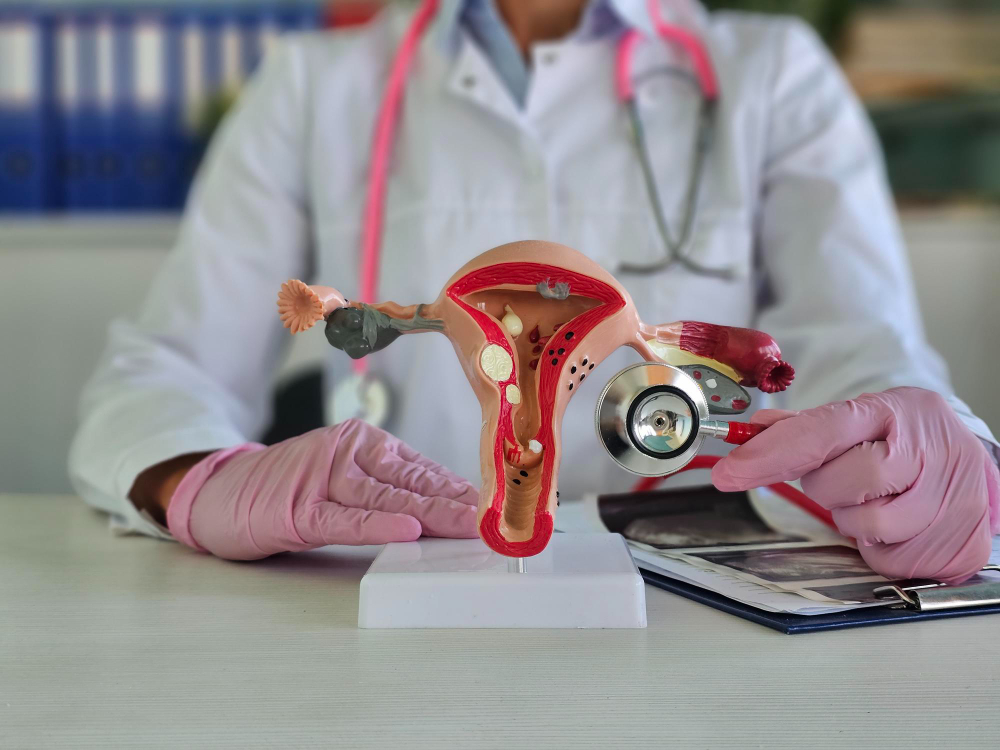
Hysterosalpingography (HSG) is a special X-ray test. Doctors use it to look at a woman’s uterus and fallopian tubes. Often, this test helps find the cause of infertility or repeated miscarriages. During HSG, a doctor uses a dye to make the inside of the uterus and tubes visible on X-ray images. Because it gives clear pictures, HSG helps doctors plan the best treatment. According to the CDC, HSG is a common and safe way to check for blockages or problems in the uterus and tubes.
When is HSG Recommended?
Doctors may suggest Hysterosalpingography (HSG) for several reasons. Usually, it is recommended when:
Because HSG gives detailed images, it helps doctors find the exact cause of these problems.
How to Prepare for HSG
Proper preparation can make your Hysterosalpingography procedure smoother. Here are some helpful HSG preparation tips:
Because preparation helps reduce stress, always ask your doctor if you have questions.
Step-by-Step Overview of the HSG Procedure
Knowing what to expect during HSG can ease your worries. Here is a simple step-by-step guide:
Because the test usually takes less than 30 minutes, you can go home the same day.
What to Expect During and After HSG
During the HSG test, you may feel mild discomfort or cramping. Some women say it feels like period cramps. However, the pain usually lasts only a few minutes. After the test, you might notice:
Because these symptoms are common, they should go away soon. If you have heavy bleeding, fever, or severe pain, call your doctor right away.
Safety, Risks, and Side Effects
HSG test safety is well established. Most women have no serious problems. Still, like any medical test, there are some risks. Possible side effects include:
Because the amount of X-ray radiation is very low, it is considered safe for most women. The World Health Organization notes that HSG is a safe and useful test when done by trained professionals.
Frequently Asked Questions About HSG
Conclusion
Hysterosalpingography (HSG) is a safe and helpful test for women with fertility or uterine concerns. Because it gives clear images, it helps doctors find and treat problems early. If you have questions or need more details, consult a radiologist or your healthcare provider at Dr. Noshina Diagnostic Centre for personalized advice about HSG.