
What is an Iron Profile?
An iron profile is a group of blood tests that measure iron levels in your body. These tests help doctors check if you have too little or too much iron. Because iron is vital for making healthy red blood cells, knowing your iron profile can show if your body is working well. Often, doctors order an iron profile test when they suspect problems like anemia or iron overload.
Why is an Iron Profile Test Important?
Iron is needed for many body functions. For example, it helps carry oxygen in your blood. If your iron levels are too low, you may feel tired or weak. On the other hand, too much iron can harm your organs. Therefore, an iron profile test is important for:
According to the World Health Organization (WHO), iron deficiency is a common health issue worldwide. So, testing helps catch problems early.
Key Components of an Iron Profile
An iron profile test includes several parts. Each one gives different information about your iron status. The main components are:
Together, these tests give a full picture of your iron health.
Symptoms Indicating You May Need an Iron Profile Test
Sometimes, your body gives signs that your iron levels are off. If you notice any of these symptoms, you may need an iron profile test:
However, some people may not have clear symptoms. In such cases, doctors may still suggest testing if you have risk factors.
How is the Iron Profile Test Performed?
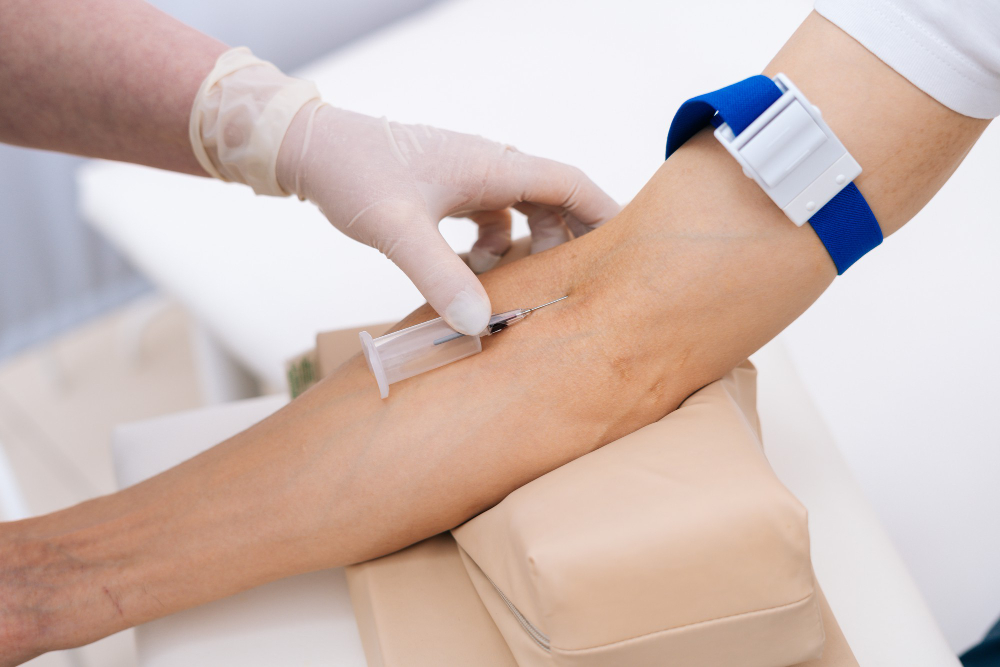
Getting an iron profile test is simple. First, a healthcare worker draws a small amount of blood from your arm. Usually, you need to fast for 8 to 12 hours before the test. This means you should not eat or drink anything except water. After the test, you can return to your normal activities. Results are often ready within a day or two.
Understanding Your Iron Profile Results
After your test, your doctor will review the results. Here is what each part means:
Because many factors affect these results, your doctor will look at the full picture. For example, they may consider your age, health, and other lab tests. Interpreting iron profile results should always be done by a healthcare professional.
Common Causes of Abnormal Iron Profile Results
Many things can cause abnormal iron profile results. Some common causes include:
Because causes can vary, your doctor may order more tests to find the exact reason.
Treatment and Lifestyle Guidance Based on Iron Profile
Treatment depends on your iron profile results. If you have low iron, your doctor may suggest:
On the other hand, if you have too much iron, you may need:
Always follow your doctor’s advice before making changes to your diet or taking supplements.
Prevention and When to Consult a Doctor
To prevent iron problems, eat a balanced diet and get regular check-ups. For example, women, children, and people with certain health conditions may need more frequent testing. If you notice symptoms or have a family history of iron issues, talk to your doctor. Early testing and treatment can prevent serious health problems. In summary, regular monitoring and healthy habits help keep your iron levels in check.
Consult a healthcare professional at Dr. Noshina Diagnostic Centre for personalized advice on your iron profile.