
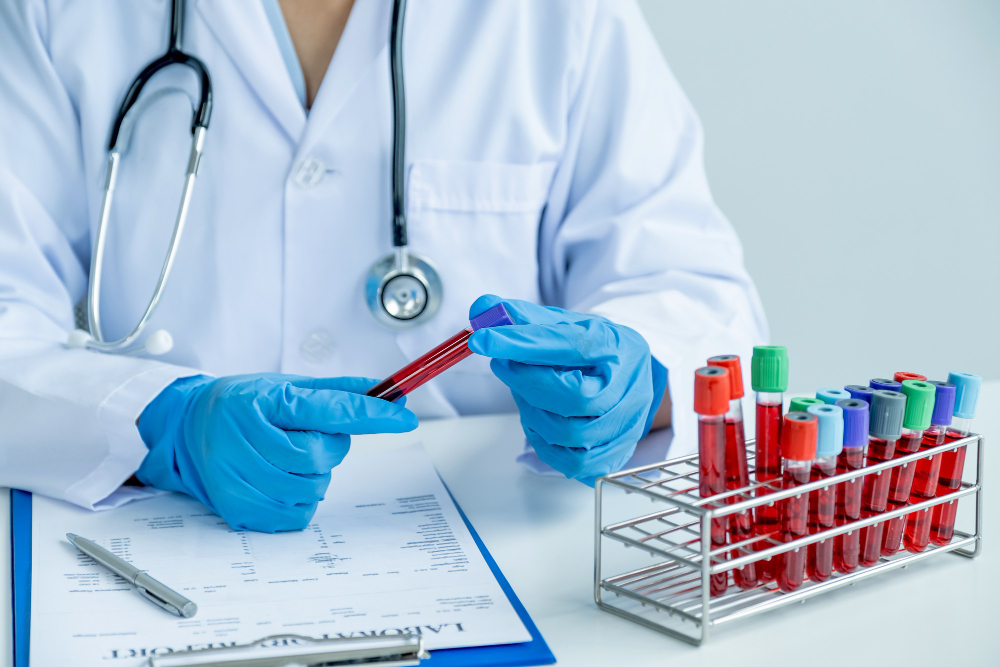
Kidney function tests help check how well your kidneys are working. These tests are important because your kidneys keep your body healthy by removing waste and extra water. If you have concerns about kidney health, kidney function tests can give you answers. In many cities, local clinics and hospitals offer these blood tests for kidneys. Early testing can help find problems before they get worse.
What Are Kidney Function Tests?
Kidney function tests are simple checks that show how well your kidneys are working. Usually, these tests use blood or urine samples. For example, blood tests for kidneys look for waste products in your blood. Urine tests check for signs of kidney problems in your pee. Together, these tests help doctors spot kidney disease early.
Why Are Kidney Function Tests Important?
Kidney function tests are important because they can find kidney problems early. Often, kidney disease does not cause symptoms at first. However, early testing can help you get treatment before damage gets worse. If you have diabetes, high blood pressure, or a family history of kidney disease, you should get tested. Even if you feel fine, regular kidney disease screening can protect your health.
Types of Kidney Function Tests
How Are Kidney Function Tests Performed?
Most kidney function tests are quick and simple. For blood tests, a nurse will draw a small amount of blood from your arm. For urine tests, you will give a sample of your pee in a clean cup. Usually, you do not need to do much to prepare. However, your doctor may ask you to avoid certain foods or medicines before the test. During the test, you may feel a small pinch from the needle or a little discomfort when giving a urine sample. Afterward, you can go back to your normal activities.
Understanding Your Results
After your kidney function tests, your doctor will explain the results. Normal results mean your kidneys are working well. But if your results are outside the normal range, it may mean your kidneys are not filtering waste as they should. Sometimes, abnormal results can be caused by dehydration or certain medicines. If your results are not normal, your doctor may order more tests or suggest changes to your diet or lifestyle. Always ask your doctor what your results mean for you.
When Should You Get Tested?
You should consider kidney function tests if you have risk factors or symptoms. Early testing is key for people at higher risk. Watch for these signs:
If you notice any of these, talk to your doctor about kidney function tests.
Prevention and Kidney Health Tips
Keeping your kidneys healthy is important for your whole body. Here are some simple tips:
Frequently Asked Questions
Conclusion
Kidney function tests are simple but important checks for your health. Early testing can help you avoid serious problems. Consult a healthcare provider at Dr. Noshina Diagnostic Centre for guidance on kidney function tests and your kidney health.