What Is a Thyroid Profile?
A thyroid profile is a group of blood tests that check how well your thyroid gland works. The thyroid is a small gland in your neck. It makes hormones that control your body’s energy and metabolism. Because these hormones affect many body functions, a thyroid profile helps doctors spot problems early. Many people hear about the thyroid profile when they feel tired or notice changes in weight. For this reason, knowing about these tests is important for your health.
Why Is a Thyroid Profile Important?
First, the thyroid profile can help find thyroid problems before they get worse. Early detection means you can start treatment sooner. Also, these tests help doctors check if your thyroid is too active or not active enough. Since thyroid hormones affect your heart, mood, and weight, keeping them in balance is key. In fact, the World Health Organization notes that thyroid issues are common worldwide. Therefore, regular testing can protect your long-term health.
Common Symptoms Leading to Thyroid Testing
Many people do not know they have a thyroid problem. However, certain symptoms may lead your doctor to order a thyroid profile test. These symptoms include:
If you notice these signs, it is wise to talk to your doctor. Early testing can help you find answers quickly.
Types of Thyroid Profile Tests
The thyroid profile includes several tests. Each test checks a different part of thyroid function. The most common thyroid profile tests are:
Each test gives important clues about your thyroid health. Together, they form a complete thyroid profile.
How Are Thyroid Profile Tests Performed?
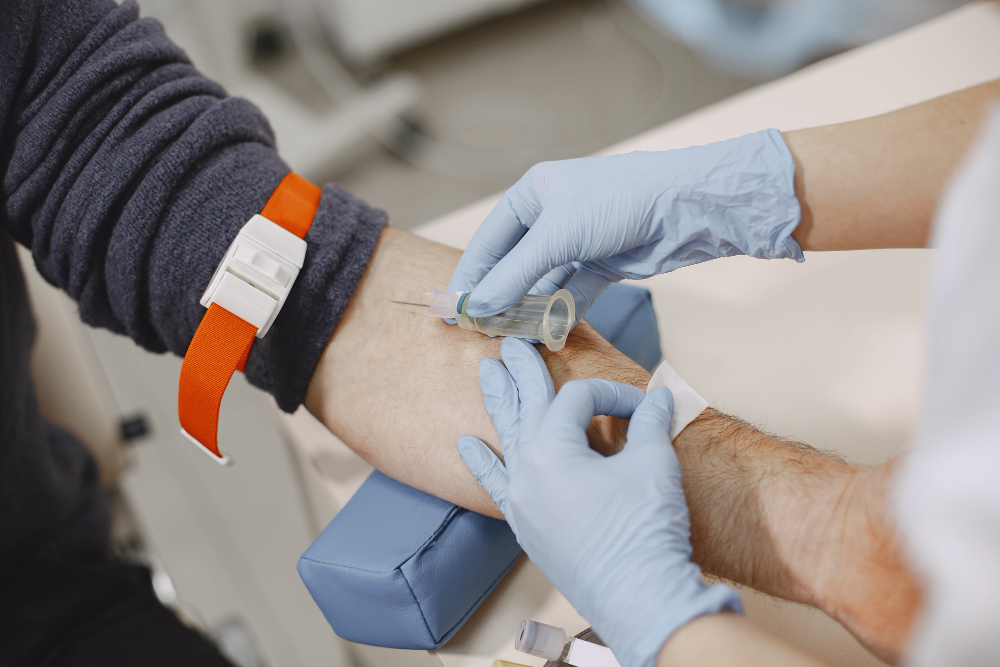
Getting a thyroid profile is simple. First, a healthcare worker takes a small blood sample from your arm. The process usually takes just a few minutes. After that, your blood goes to a lab for testing. You may not need to fast before the test, but always ask your doctor. Results are often ready in a few days. Because the test is quick and safe, most people have no problems during or after the blood draw.
Understanding and Interpreting Results
When you get your thyroid function test results, you may see numbers for TSH, T3, and T4. But what do these numbers mean? Here are some general guidelines for normal thyroid levels:
However, normal ranges can differ slightly between labs. Because of this, always review your results with your doctor. They will explain what your numbers mean for you. For example, a high TSH may mean your thyroid is underactive. On the other hand, a low TSH could mean it is overactive. Your doctor will look at all your test results together for a full picture.
What Abnormal Results May Indicate
Abnormal thyroid profile test results can point to different health issues. Here are some common findings:
Sometimes, mild changes in your thyroid blood test interpretation do not mean you are sick. For this reason, your doctor may repeat the test or order more tests to be sure. Always discuss abnormal results with a healthcare professional.
When to Consult a Doctor
If you have symptoms of thyroid problems or get abnormal thyroid function test results, see your doctor soon. Early treatment can prevent serious health issues. Also, if you have a family history of thyroid disease, regular testing is wise. Your doctor can guide you on how often to check your thyroid profile.
Lifestyle Tips for Thyroid Health
While you cannot always prevent thyroid problems, healthy habits can help. Try these tips for better thyroid health:
Because lifestyle matters, small changes can make a big difference over time.
Prevention and Regular Monitoring
Regular thyroid profile testing is important, especially if you have risk factors. For example, women, older adults, and those with a family history are at higher risk. Early testing can catch problems before symptoms start. Also, if you are on thyroid medicine, regular tests help your doctor adjust your dose. Prevention and monitoring work together to keep your thyroid healthy.
Conclusion
In summary, a thyroid profile is a simple way to check your thyroid health. Because thyroid hormones affect your whole body, regular testing and healthy habits are important. If you have symptoms or concerns, consult a healthcare professional at Dr. Noshina Diagnostic Centre for personalized advice on your thyroid profile.