What is ECHO in Radiology?
ECHO, or echocardiogram, is a special test used in radiology. It uses sound waves to create pictures of your heart. Doctors use ECHO to check how your heart looks and works. Many people call it an “ECHO scan” or “ECHO test.” This test is safe, painless, and does not use X-rays. Because of this, ECHO is a common choice for heart checks.
How Does an ECHO Work?
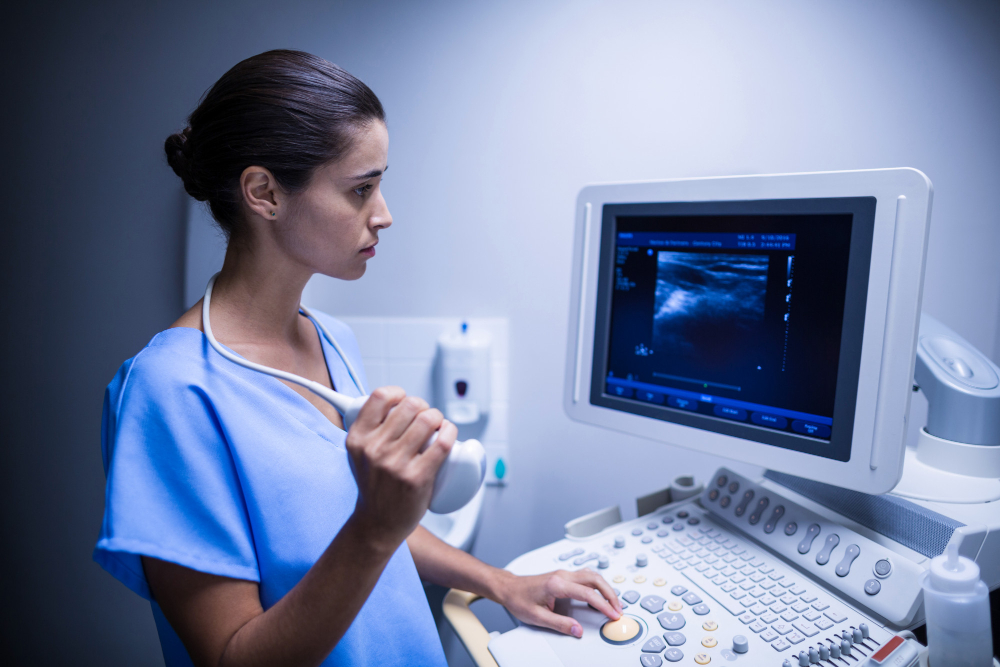
During an ECHO, a small device called a transducer sends sound waves into your chest. These waves bounce off your heart and return to the device. Next, a computer turns these echoes into moving pictures. As a result, doctors can see your heart’s size, shape, and movement. ECHO helps spot heart problems early and guides treatment.
Common Reasons for an ECHO Test
Doctors may suggest an ECHO test in radiology for many reasons. For example, you might need one if you have:
Sometimes, doctors use ECHO to check your heart after surgery or to monitor ongoing heart conditions.
What to Expect During an ECHO Procedure
Before your ECHO scan, you may be asked to change into a gown. Then, you will lie on a table. A technician will place a small amount of gel on your chest. This gel helps the device pick up sound waves. The technician moves the transducer over your chest to get clear images. Usually, the test takes 30 to 60 minutes. You can breathe and talk during the test. Afterward, you can return to your normal activities right away.
Benefits and Risks of ECHO
ECHO tests offer many benefits. For instance, they are:
Most people do not have any risks from an ECHO. However, in rare cases, you may feel slight discomfort from the device pressing on your chest. Unlike some other scans, ECHO does not use radiation, so it is safe for most people, including children and pregnant women.
How to Prepare for an ECHO
In most cases, you do not need special preparation for an ECHO test. Still, here are some tips:
If you have questions, ask your healthcare provider before the test. Some special types of ECHO may need extra steps, but your doctor will explain if needed.
Frequently Asked Questions about ECHO
For more details, always check with your healthcare provider or a trusted radiology specialist.
Consult a radiology specialist at Dr. Noshina Diagnostic Centre for personalized advice about ECHO tests.