What Is a Viability Scan?
A viability scan is an early pregnancy scan. Doctors use it to check if a pregnancy is developing as expected. Usually, this scan is done using ultrasound for pregnancy viability. It helps confirm if the baby’s heartbeat is present. In most cases, a viability scan happens during the first trimester ultrasound, between 6 and 10 weeks of pregnancy.
Why Is a Viability Scan Important?
Many women feel anxious in early pregnancy. Therefore, a viability scan can offer peace of mind. It helps doctors:
According to the World Health Organization (WHO), early scans help ensure a healthy pregnancy start. So, a viability scan is a key step for many expectant mothers.
When Should You Get a Viability Scan?
Most doctors suggest a viability scan if you have certain signs or concerns. For example, you may need one if you:
Usually, the best time for a viability scan is between 6 and 10 weeks. However, your doctor may recommend it earlier or later, depending on your situation.
How Is a Viability Scan Performed?
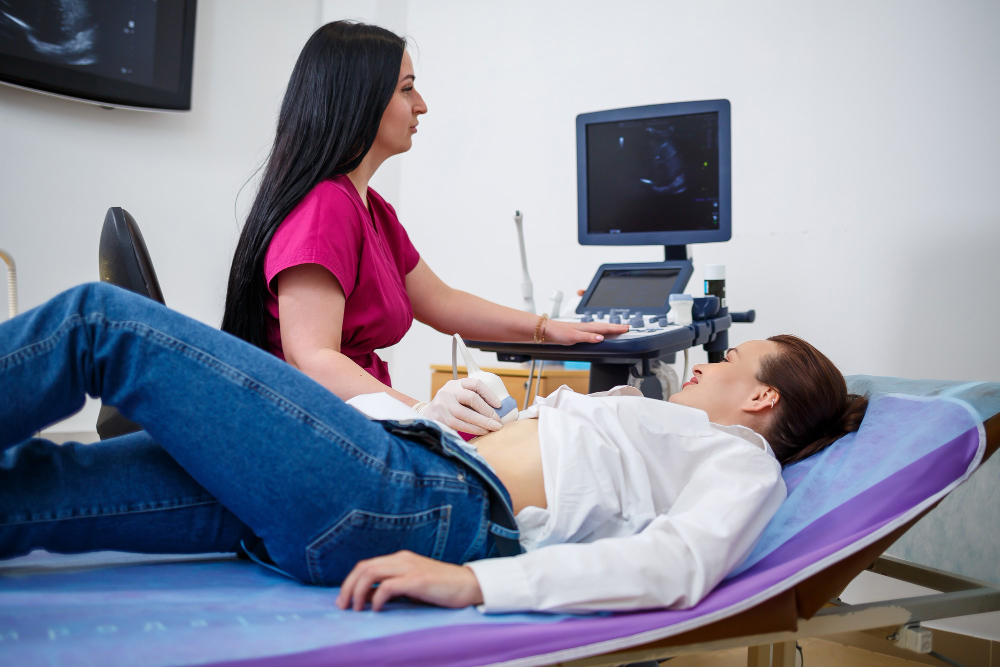
Doctors use ultrasound for pregnancy viability scans. There are two main types:
Both methods are safe for you and your baby. The scan usually takes about 15 to 20 minutes. You do not need to stay in the hospital afterward.
What to Expect During and After the Scan
Before the scan, you may be asked to drink water. This helps make the images clearer. During the scan, you might feel mild pressure, but it should not hurt. The doctor or sonographer will look for:
After the scan, you can return to your normal activities. The doctor will discuss the results with you. If there are any concerns, they will explain the next steps.
Frequently Asked Questions About Viability Scans
Key Takeaways and Next Steps
To sum up, a viability scan is an important early pregnancy scan. It checks if your pregnancy is healthy and progressing well. The scan is safe, quick, and provides valuable information. If you have any concerns or questions, always talk to your doctor.
For personalized advice about viability scans, consult a radiologist or healthcare provider at Dr. Noshina Diagnostic Centre.